
Head injuries that can lead to brain injuries are unfortunately not uncommon. According to recent NHS estimates, around 650,000 people visit Accident and Emergency departments in the UK each year, with 125,000 requiring hospital admission for further checks or treatment.
Because the brain is the body’s Control Centre, injuries to it can have profound and long-lasting effects on both physical and mental health.
An individual who was once highly capable may find themselves unable to carry out simple daily tasks, maintain employment, or, in severe cases, live an independent life.
These serious changes in health and lifestyle can place a significant emotional and financial burden on both the injured person and their family.
The Solicitors at Emaari Legal have extensive experience in handling brain injury compensation claims. To understand why working with solicitors who specialise in brain injury cases is crucial, read this information.
“An acquired brain injury is one that develops after birth and is unrelated to the birthing process.”

“A traumatic brain injury occurs when trauma to the head results in brain damage.”
The classification of a brain injury depends on its severity. Severity is assessed based on the impact of the injury on the individual, which is influenced by both the extent of the damage and the specific area of the brain affected.
Brain injuries are generally categorised as mild, moderate, or severe.
At Emaari Legal, we provide clear guidance and support in understanding these classifications and their legal implications.

Minor Brain Injuries
This least severe category of brain injury includes relatively common conditions, such as concussion and fainting, which generally cause short-term effects but can sometimes lead to longer-term complications.
Possible symptoms of minor brain injuries include:
- Slight disorientation
- Head pain
- Light-headedness
- Forgetfulness
- Tiredness
- Queasiness
- Trouble focusing
Moderate Brain Injuries
This category of brain injury is characterised by a loss of consciousness exceeding 15 minutes but not more than 6 hours, accompanied by a period of post-traumatic amnesia lasting less than 24 hours.
Moderate brain injuries present with symptoms similar to those observed in mild brain injuries; however, these manifestations are generally more severe, prolonged, and functionally limiting.
The sustained and disruptive nature of moderate brain injury symptoms can have a substantial impact on daily functioning, even though such effects frequently resolve within 12 months. Individuals may experience difficulty performing tasks that were previously routine and may exhibit notable personality or behavioral changes. These alterations can be disorienting and distressing for the affected individual as well as for their family members.
Severe Brain Injuries
This classification of brain injury is characterised by a coma or loss of consciousness exceeding six hours, accompanied by post-traumatic amnesia lasting more than twenty-four hours.
Severe traumatic brain injuries often result in irreversible, long-term impairments that necessitate prolonged hospitalisation and intensive rehabilitation. Following discharge, individuals are frequently unable to achieve functional independence due to a combination of neurological deficits, cognitive dysfunction, and physical disabilities.
Impact of Brain Injuries
The brain governs the most essential bodily and mental functions, including communication, thought, and breathing. When a brain injury occurs, even the simplest abilities can be compromised, often leading to restricted motor function or significant changes in personality.
This demonstrates how vital compensation is following a successful claim, as it provides access to specialist treatment, care, and rehabilitation to improve quality of life.

At Emaari Legal, our expert solicitors have extensive experience in serious brain injury claims, making us the ideal legal representatives to act on your behalf. The compensation we pursue can relieve the financial and emotional strain, allowing you to plan for the future and concentrate on your recovery.
The severity of a brain injury’s effects depends on the area of the brain impacted. These effects are generally categorised into three groups: cognitive, behavioural, and physical.
Cognitive Effects of Brain Injuries
This refers to the potential impact of brain injuries on a person’s cognitive abilities, more commonly understood as their capacity to think and reason.
Cognitive impairments can be profoundly distressing, as the individual may struggle to understand or manage aspects of daily life that once felt effortless. Families may also find it deeply challenging to witness a once-independent loved one facing reduced mental capacity and diminished autonomy.
The cognitive consequences of brain injuries may include:
- Difficulties with focus and sustained attention
- Decline in memory function
- Challenges in communication and language use
- Reduced ability to process information
- Impaired interpretation of sensory input
Behavioural Effects of Brain Injuries
Damage to brain regions involved in emotional regulation and executive functioning can lead to significant behavioural and psychological changes.
Some patients may present with disinhibition, characterised by reduced self-control, impulsivity, and episodes of emotional dysregulation such as sudden anger outbursts or verbally aggressive behaviour toward close relations.
Conversely, others may exhibit apathy or blunted affect, appearing emotionally unresponsive and demonstrating limited reactions to external stimuli.
Typical behavioural consequences of brain injury include:
- Mood disorders such as anxiety and depression
- Impaired executive function, leading to reduced spontaneity and difficulty with planning or goal-setting
- Sleep–wake disturbances, often associated with fatigue and reduced concentration
- Egocentric or rigid behaviour patterns, reflecting impaired social awareness
- Heightened irritability, agitation, and impatience, contributing to interpersonal difficulties
Physical Effects of Brain Injuries
While many individuals who experience minor or moderate brain injuries often achieve a full physical recovery, a significant number may continue to face lasting challenges. In contrast, severe brain injuries frequently result in permanent, irreversible damage to areas of the brain responsible for motor skills and physical function.
Such injuries can severely impact a person’s ability to perform even the most basic tasks that most people take for granted—such as eating independently, shaking hands, or speaking clearly. In some cases, individuals may also experience chronic pain as a direct consequence of their injury.
Common physical effects of brain injuries include:
- Persistent fatigue and reduced energy levels
- Impairments in speech and communication
- Loss of movement or paralysis
- Reduced coordination and balance
- Disruption of hormone regulation due to hypothalamic or pituitary damage
Treatment and Rehabilitation
The brain has an extraordinary ability called neuroplasticity, which allows healthy regions to adapt and sometimes take over functions lost due to injury. While full recovery is rarely possible, partial restoration through neuroplasticity can greatly improve quality of life.
Harnessing this ability, however, is complex. Patients must often relearn basic skills, a process that is physically exhausting and emotionally demanding. Research shows the most significant gains typically occur within the first 12–18 months after injury, but progress can continue—albeit more slowly—beyond this period. This can challenge motivation, making persistence and realistic expectations vital.
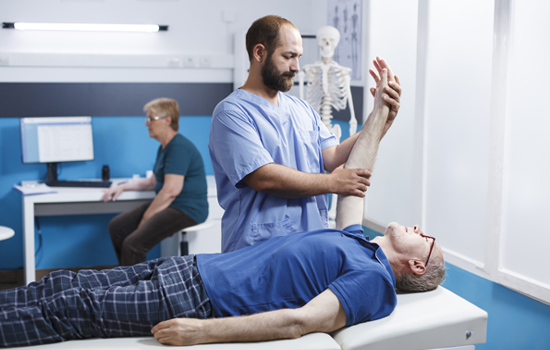
It is essential that individuals avoid unrealistic hopes, yet maintain belief in ongoing progress. Many experiences meaningful improvements even after the initial recovery window.
At Emaari Legal, we recognise the immense challenges faced by brain injury survivors. We are committed to ensuring they and their families receive the specialist treatment, rehabilitation, and support necessary to maximise recovery and long-term quality of life.
Stages of Treatment and Rehabilitation
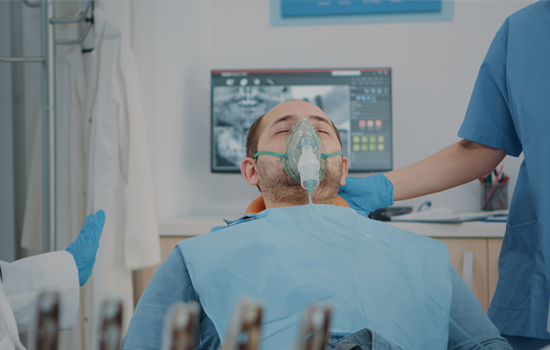
In the Hospital
Severe traumatic brain injuries generally necessitate acute admission to a hospital setting, often within the intensive care unit (ICU). At this critical phase, patients usually undergo prolonged stabilisation and medical management of vital functions. Concurrently, rehabilitation planning may begin through comprehensive assessments of neurological deficits, functional impairments, and cognitive consequences. These evaluations guide the formulation of an individualised rehabilitation strategy.
As an In-patient
Once medically stable, many patients transition to a dedicated neurorehabilitation facility. Here, they participate in structured, multidisciplinary programs that include physiotherapy, occupational therapy, speech and language therapy, and neuropsychological support. Delivered through both individualised and group-based interventions, these therapies are designed to maximize recovery, enhance functional independence, and prepare the patient for eventual discharge to a home environment.

As an Out-patient
After completion of in-patient rehabilitation, continued progress is typically achieved through outpatient services. These may occur in specialised rehabilitation centers or via community-based programs, depending on the patient’s needs. Interventions at this stage emphasise long-term skill development, reintegration into daily living, and vocational or educational retraining.

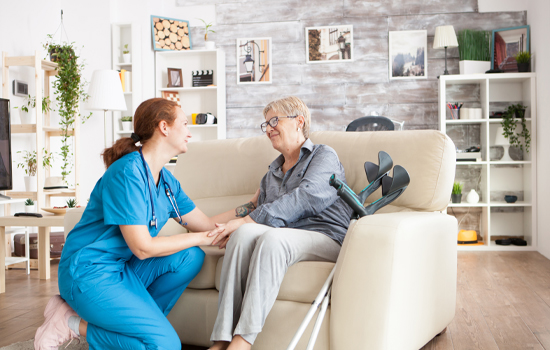
At Home
The final phase of rehabilitation is community and home-based. Success depends heavily on patient adherence to prescribed therapeutic exercises and strategies. Ongoing family involvement, psychosocial support, and structured goal-setting are crucial in maintaining motivation and promoting sustained recovery.
Types of Therapy
Psychological Therapy
A widely recognised form of psychological treatment, known as Cognitive Behavioural Therapy (CBT), has proven highly beneficial. It is particularly effective for individuals experiencing depression or at risk of developing it after brain trauma. CBT focuses on examining how thought patterns influence behaviours and how behaviours, in turn, affect thinking. By addressing harmful cycles of negative thinking and actions, the therapy encourages healthier perspectives, reducing emotional strain and promoting optimism. This renewed outlook can help individuals manage stress and plan positively for the future.
Another approach, Rational Emotive Therapy (RET), has gained popularity in recent years. This method deals with unrealistic or irrational expectations that individuals often place upon themselves or their environment. By identifying and challenging these excessive demands, the therapy reduces anxiety and frustration, creating space for a more balanced and resilient mindset.
Occupational Rehabilitation
Daily tasks that once felt effortless—such as dressing, writing, or eating—may become challenging after significant brain injury. Occupational therapy helps individuals regain independence by re-establishing essential skills or by teaching new adaptive methods to perform routine tasks in alignment with their current capabilities.
Neurological Physiotherapy
This specialised therapy focuses on restoring physical movement and functional abilities. Through targeted exercises, it strengthens muscles, improves endurance, and stimulates nerve recovery, helping patients enhance mobility and overall quality of life.