
When the musculoskeletal system sustains significant orthopaedic injuries, the individual may experience intense pain and require extensive rehabilitation to achieve recovery.
Serious orthopaedic injuries can still have a profound and life-altering impact.
Affected individuals may struggle with everyday activities at home, face challenges continuing their employment, or, in many cases, lose the ability to live independently.
These substantial changes in a person’s functional capacity can create a difficult period for both the injured individual and their family, affecting them emotionally and financially.
Such injuries can be classified into the following categories:
- Major fractures
- Severe muscle injuries
- Significant ligament damage
- Critical tendon injuries
Serious orthopaedic injuries commonly result from:
- Road traffic collisions
- Malfunctioning or unsafe machinery at work
- Falls from height in the workplace
Slips, trips, or falls on premises maintained by local authorities or private entities
Severe Fractures
Types of Serious Fractures
Medically, there is no distinction between a “broken” bone and a “fractured” bone. Healthcare professionals classify all cracks, breaks, and shattering of bones as fractures, whether minor or severe.
Some common types of severe fractures include:
Complete Fracture
The bone is split into two separate pieces.
Comminuted Fracture
The bone is shattered or crushed into three or more fragments.
Fracture Dislocation
Occurs when a joint is dislocated and a bone in that area also fractures.

Compound Fracture
The fractured bone either pierces the skin or a wound causes the fracture to the bone.
Complicated Fracture
This fracture results in damage to surrounding structures, such as blood vessels, nerves, or other nearby tissues.
Causes of Serious Fractures
Causes of Serious Fractures
Trauma
The most frequent cause of fractures is significant trauma to a bone. This can occur during motor vehicle collisions, pedestrian accidents, or motorcycle crashes. Fractures can also result from falls at work or being struck by heavy objects or malfunctioning machinery.
Medical Negligence
Certain medical conditions, such as osteoporosis, can increase the risk of serious fractures. While osteoporosis often develops naturally, medical negligence can sometimes play a key role in its progression.
Medical negligence typically involves either a misdiagnosis or improper treatment. For instance, if a healthcare professional fails to identify an underlying disorder—like hyperthyroidism or Cushing’s syndrome—that could lead to osteoporosis, they may be held liable if an earlier diagnosis could have prevented the condition.
Similarly, if a doctor prescribes oral glucocorticoids to manage allergies or autoimmune conditions without considering that long-term use can cause osteoporosis, they may be deemed negligent if a serious fracture later occurs as a result.
Repetitive Strain
Bones subjected to continual or excessive stress can develop stress fractures. Individuals performing physically demanding tasks repeatedly, whether at work or in sports, may experience fractures in the spine, lower legs, or arms due to the repeated pressure and micro-damage that weakens the bone over time.
Serious Muscle Injuries
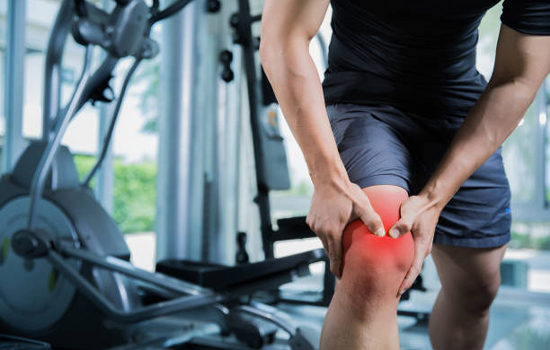
Muscle tears occur when clusters of muscle fibres are damaged, limiting a person’s ability to use the affected muscle effectively and without discomfort. This can make it difficult to lift the injured limb, move from sitting to standing, or even walk.
Serious muscle injuries can be highly debilitating, causing intense pain, inflammation, cramping, and spasms. In some cases, they can lead to partial or complete loss of muscle function, such as a quadriceps infarction.
Causes of Serious Muscle Injuries
Trauma
Serious muscle injuries can result from accidents that exert force on a muscle, with or without breaking the skin. If the skin remains intact, significant bruising may occur; if the skin is broken, the muscle may be torn or shredded.
Such traumatic injuries often happen during severe motor accidents or workplace incidents involving defective machinery.
Overstretching
A muscle can sustain serious damage if it is overstretched beyond its normal range, causing the fibres to tear.
This often occurs when limbs are forced into unnatural positions during a motor accident, a severe fall, or if machinery traps or pulls a worker’s limb or clothing.
Overuse
Repeated or prolonged use of a muscle can lead to serious injuries over time. Small tears may accumulate and develop into larger, more severe muscle damage.
Overuse can also cause fatigue, weakening the muscle and making it more susceptible to future tears. Such injuries are common in workplaces where tasks are physically demanding and repetitive, or when workers are not provided with adequate rest between shifts.
Serious Ligament Injuries
Ligaments are connective tissues that link bones to other bones, forming joints. They function to restrict or control certain movements, protecting the body from injury.
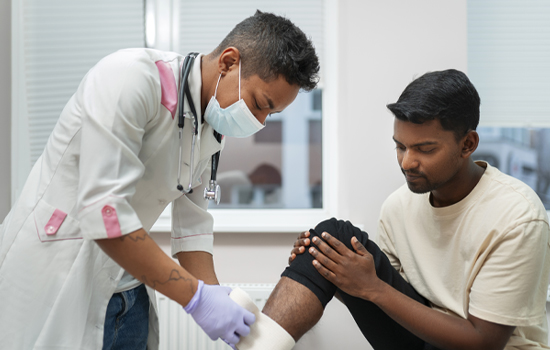
When ligaments are torn, they can cause joint weakness and instability, which may persist for an extended period, even with treatment.
In some cases, repairing the damaged ligament may require major surgery to restore joint stability. However, not everyone is eligible for such procedures, especially if scar tissue has formed in the joint due to the injury.
If surgery is not possible, the resulting joint instability and weakness may lead to serious secondary conditions, such as osteoarthritis or osteoporosis.
Ligaments that, if injured, can significantly impact a person’s life include the periodontal ligament in the jaw, the three cruciate ligaments, and the patellar ligament in the knee.
Causes of Serious Ligament Injuries
Trauma
Due to their rigidity, ligaments can rupture when subjected to sudden or extreme force.
Such injuries can occur during heavy lifting incidents, falls from heights at work, or motor vehicle accidents.
Twisting
A rapid or uneven twist of a joint can overload the ligaments, which have limited flexibility. This may cause a ligament to tear or rupture.
Twisting injuries often happen in workplaces where employees are required to lift or carry excessive weights.
Associated Fractures
Fractures near a joint can compromise ligament integrity, causing them to stretch, tear, or detach. For more information, see the section on serious fractures.
Severe Tendon Injuries
Tendons endure the tension generated where they link muscles to bones, working alongside muscles to absorb shocks.
Due to their strong yet flexible structure, tendons also assist movements associated with their attached muscles.
Although tendon ruptures can heal naturally, they rarely regain their previous strength and efficiency after injury, leaving them more vulnerable to future damage. Recovery can be prolonged, even with specialized medical care.
Notable tendon injuries that can significantly affect a person’s life include knee tendonitis and a ruptured Achilles tendon.
Causes of Severe Tendon Ruptures
Trauma
Tendons may tear due to a sudden, forceful impact, as they are subjected to intense stress. Such trauma can occur in workplace accidents or during road traffic incidents involving pedestrians or vehicles.
Overexertion
Excessive strain on a muscle can lead it to contract while simultaneously being stretched in the opposite direction. This places immense pressure on associated tendons, potentially causing ruptures. Overexertion injuries may happen in workplaces where individuals lift excessively heavy objects.
Impaired Blood Flow
Aging or poor overall health can reduce circulation to distant areas of the body. Serious injuries or medical errors can also compromise blood flow.
When blood supply to a region is restricted—for instance, due to fractures affecting nearby blood vessels—tendons may weaken and become prone to rupture. In cases where medical mismanagement, such as missed blood clots, leads to reduced circulation and subsequent tendon injury, the responsible healthcare provider may be held liable for medical negligence.
Effects of Severe Orthopaedic Injuries
The musculoskeletal system is essential for maintaining mobility and physical activity, meaning a serious orthopaedic injury can dramatically alter a person’s life.
This is why compensation from a successful severe orthopaedic injury claim is vital—it enables an injured individual to access professionally tailored rehabilitation, therapy, and long-term care.
Our experienced solicitors, well-versed in serious orthopaedic injury claims, provide expert legal representation to pursue compensation on your behalf. Their support in securing compensation can help ease the burden, allowing you to focus on recovery and future planning. Without this essential assistance, serious orthopaedic injuries can have profound consequences on a person’s life and on those around them.
Physical Effects
Mobility
Components of the musculoskeletal system work together to enable diverse movements. Damage can result in pain when attempting certain motions, and in severe cases, movement of specific body parts may become impossible due to the debilitating effects of the injury.
Exhaustion
Individuals with serious orthopaedic injuries may experience significant fatigue, particularly in areas of the body that must compensate for the reduced function of the injured region.
Limb Loss
If a joint or bone is irreparably damaged, amputation may be necessary. Those who undergo amputation may experience related effects, such as phantom limb sensations or pain. See our section on amputations for a more detailed discussion.
Psychological Effects
Post-Traumatic Stress Disorder (PTSD)
Individuals who sustain serious orthopaedic injuries in traumatic or painful incidents are at an increased risk of developing PTSD, particularly if they struggle to move past or forget distressing memories from the event. For a more detailed discussion, please refer to our section on serious psychiatric injuries.

Social Withdrawal
Activities that were once part of a person’s social or recreational life may no longer be feasible following a serious orthopaedic injury. This can include many sports or other physically demanding hobbies, as movement limitations may be temporary or permanent.
The inability to engage in previous activities can lead to feelings of helplessness, loneliness, and social isolation, as the injured individual experiences reduced interaction with friends, family, or community compared to life before the injury.
Treatment and Rehabilitation
Advancements in surgical procedures, rehabilitation methods, and therapeutic techniques for orthopaedic injuries are increasingly effective at enhancing the quality of life for individuals who have been injured.
The care and rehabilitation provided to someone with serious orthopaedic injuries focus on promoting independence, organising daily routines, and maintaining high levels of activity to support the most complete recovery possible.
Phases of Treatment and Rehabilitation
Acute Phase
Once the extent of the injury has been determined, the acute phase of treatment and rehabilitation begins. This stage generally includes assistance with daily activities that the individual is unable to perform independently, such as personal hygiene, as well as surgical interventions to repair damaged areas and support recovery. This is typically conducted in a hospital’s intensive care unit.
In-Patient Phase
The in-patient phase occurs in a hospital or rehabilitation facility and focuses on restoring function, strength, and mobility. During this stage, individuals are taught exercises and alternative methods for performing tasks under their new physical conditions, all aimed at maximising independence.
Out-Patient Phase
During the out-patient phase, individuals live at home while attending rehabilitation sessions at home or in specialised centres. These programs are tailored to the person’s specific needs and are adjusted over time to reflect progress. The primary goal is to further enhance the individual’s ability to live independently and perform daily activities effectively.
Types of Therapy
Psychotherapy
A form of psychotherapy, known as Cognitive Behavioural Therapy (CBT), has proven highly effective. It is typically used for individuals experiencing or at risk of depression due to their injuries. CBT works by examining how a person’s thoughts influence their actions and, conversely, how actions affect thought patterns. By addressing thought processes and behaviors that reinforce negativity, CBT encourages positive thinking, reduces stress, and helps individuals adopt a hopeful and constructive outlook toward the future.
Occupational Therapy
Everyday activities that were once routine, such as bathing or dressing, may become challenging for individuals with serious orthopedic injuries due to limited mobility or protective bandages and casts. Occupational therapy focuses on enhancing independence by teaching individuals to adapt to their current abilities, enabling them to manage daily tasks effectively and regain control over their lives.
Physiotherapy
Physiotherapy is customized to an individual’s post-injury strength and the specific effects of their condition, aiming to strengthen key muscle groups and improve endurance. This therapy can be demanding and sometimes painful, particularly in the early stages. Support from family and friends—through encouragement or even participation—can be crucial in motivating the individual to complete physiotherapy, ultimately improving long-term physical function and overall well-being.