
Each year there are more than 13,000 people are admitted to hospital with burn injuries, while over twice that number receive treatment in Accident and Emergency departments throughout the UK.
Burn injuries can result in severe muscle and nerve damage, often causing intense pain and leading to lasting physical consequences such as scarring and disfigurement.
Beyond the significant physical impact, the psychological effects of burn injuries can be equally life-altering. Survivors may struggle with depression, develop Post-Traumatic Stress Disorder, or withdraw socially due to the traumatic nature of their injuries, the ongoing pain, or the visible scars and deformities that may follow.
In the most serious cases, extensive burns can make it impossible to save an affected limb, leading to amputation. Because amputations bring their own set of complex challenges, you may wish to refer to our section on amputations for detailed advice and guidance on the unique consequences and support available.
Categories of Burn Injuries
Burns are classified based on their level of severity and are generally divided into three main categories, explained below.
First-Degree Burns
These are the least severe type of burn, affecting only the outermost layer of skin. The affected area typically becomes red and irritated, but it does not blister. The injury may cause discomfort, but the pain is usually short-lived and relatively mild.
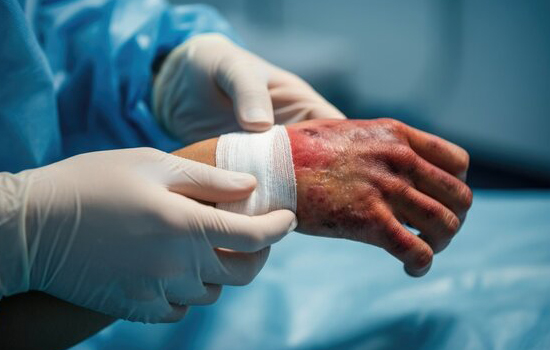
Second-Degree Burns
These injuries penetrate deeper into the skin and are often far more painful than first-degree burns. In some cases, however, the damage can be extensive enough to destroy clusters of nerves, reducing sensation even though the burn itself is severe.
The skin generally appears bright red, blistered, and moist due to fluid loss from the damaged tissue. Victims face an increased risk of infection and, if the burns extend over more than 10% of the body, they may experience shock caused by significant fluid loss.
Third-Degree Burns
This is the most critical category of burn injury, where all layers of the skin are completely destroyed, with damage extending into the underlying muscles, ligaments, tendons, and in rare cases, even bone.
Because most of the nerve endings in the area are obliterated, victims may feel little or no pain at the site. However, the injury carries a high risk of fatal complications. Treatment almost always involves skin grafts and, even with medical care, victims are likely to suffer from permanent scarring and disfigurement.
Causes of Burn Injuries
Road Traffic Accidents
Almost every vehicle on UK roads is fitted with front-seat airbags. In order for an airbag to deploy during a collision, a small, controlled detonation must take place.
Unfortunately, this process can sometimes result in burns to the driver or front-seat passenger, particularly if it ignites a fire in the front section of the vehicle.
Furthermore, cars may catch fire due to the combustible nature of various components and materials inside, such as fuel, upholstery, or other flammable substances that may ignite following an accident.
Workplace Accidents
Many employees operate electrical devices or heavy machinery that can spark fires or explosions if misused or if faults occur, potentially leading to burn injuries. In addition, some workers handle hazardous chemicals capable of causing severe burns upon contact.
This highlights the importance of adequate health and safety instruction, as well as specialist training on correct equipment usage, to reduce the likelihood of incidents that could result in burns.
Hot Liquids
The danger of sustaining burns from hot fluids—or containers holding them—is present in everyday life, whether at home, at work, or in educational environments.
It is crucial to always check the temperature of hot beverages, as the mouth is highly sensitive, and drinks should be carried with caution to prevent spillage.
Equally, it is wise to ensure that children are kept away from hot drinks, kettles, or exposed pipes, as their more delicate skin is especially vulnerable to burn injuries.
Effects Of Burn Injuries
As the body’s largest organ, the skin plays a crucial role in preventing infection and enabling mobility.
A burn survivor’s immune system is likely to remain under constant strain due to the absence of the natural protection normally provided by the skin. Additionally, the pain and delayed healing associated with burn injuries can restrict physical movement.
Beyond the physical impact, burn injuries can be deeply traumatic for the individual. Their family members may also struggle to cope with the consequences, leading to significant psychological and emotional challenges for both parties.

Our specialist solicitors have extensive experience in handling burn injury claims makes them ideally placed to represent you in pursuing compensation. Securing damages can help ease the burden, allowing you to focus on recovery and plan for the future. Without this vital support, burn injuries can have life-altering consequences for the injured person as well as their loved ones.
Physical Effects
Infection
The skin serves as a vital barrier, preventing bacteria, viruses, and fungi from entering the bloodstream. Burns—particularly second- and third-degree injuries—can compromise the body’s ability to fight infection. Without this protective shield, common airborne pathogens that would ordinarily be blocked can infiltrate the body with ease.
Mobility
The skin’s elasticity permits a wide range of motion in the limbs and joints, while its nerve endings provide sensitivity. Severe burns can render even the slightest movement excruciating.
Where large clusters of nerves are damaged, the resulting muscle impairment can cause chronic pain and significantly limit mobility. During recovery, scar tissue often contracts, potentially leading to bone deformities and further muscle damage, which may permanently restrict movement.
Amputation
When a limb or extremity is damaged beyond repair, surgical removal may be necessary. Amputation introduces a host of unique challenges—both physical and psychological—depending on the affected body part. For more detail, see our dedicated section on amputations.
Psychological Effects
Post-Traumatic Stress Disorder (PTSD)
A burn survivor may develop PTSD if they find it difficult to process or move beyond the traumatic incident that caused their injuries.
Symptoms often include depression, irritability, insomnia, recurring nightmares, and intrusive flashbacks. For a more detailed discussion, see our section on Serious Psychiatric Injuries.
Isolation
Burn injuries can prevent survivors from taking part in social or recreational activities they previously enjoyed, such as sports.
This may result from physical limitations, persistent pain, or the side effects of strong medication. The inability to engage in familiar activities can leave survivors feeling disconnected and isolated, reducing opportunities for meaningful social interaction.
Self-image
Scarring, disfigurement, or amputation sites may cause survivors to feel self-conscious about their appearance. They may fear negative reactions from others, leading to shame, withdrawal, and a reluctance to engage socially, professionally, or academically.
Treatment And Rehabilitation
The success and progress of post-burn surgical procedures, along with physical rehabilitation, psychological therapy, and advancements in skin graft techniques, are steadily improving. With proper guidance and commitment, a burn survivor can enhance their condition and strive to return to a life as close to normal as possible.
The care, recovery programs, and therapies offered to individuals with burn injuries aim to provide them with a better quality of life. This is achieved by promoting independence through teaching strategies for self-care, educating them on wound management to prevent complications, and encouraging structured routines to maintain the highest possible level of activity.
Stages Of Rehabilitation
In The Hospital
Ideally, rehabilitation should begin from the very first day of admission, even if it overlaps with ongoing treatments such as surgeries. At this stage, certain practices are essential to safeguard the long-term well-being of the patient.
Burn survivors often require frequent dressing and bandage changes, which can be deeply distressing due to the graphic and confronting appearance of the wounds. Therefore, teaching coping mechanisms and distraction techniques is crucial to help them manage these difficult moments.
It is also essential to keep the affected limbs and body parts elevated to reduce the risk of oedema—an excessive build-up of fluid in tissues—which may lead to further complications.
Encouraging Everyday Living
Much of the responsibility for recovery should gradually shift to the patient, provided it does not overwhelm them. Re-learning daily tasks such as bathing and dressing fosters a sense of self-reliance.
Taking responsibility for personal care instils self-confidence and empowerment, helping the survivor regain independence and work towards leading a fulfilling life.
Education
Education plays a key role in recovery. Burn patients must understand why certain routines and wound-care practices are important, not just how to carry them out.
Knowledge provides reassurance that their efforts will yield progress. It also supports psychological recovery, enabling them to openly discuss their condition with family or others as a step toward acceptance.
Types Of Therapy
Psychotherapy
One effective method is Cognitive Behavioural Therapy (CBT), which addresses depression and emotional struggles. CBT focuses on how thought patterns influence actions, and vice versa. By breaking cycles of negative thinking, patients can reduce stress and cultivate optimism, giving them hope for the future.
Depression—whether experienced by the patient or family members—can hinder recovery, especially if post-traumatic stress disorder (PTSD) is involved. Psychotherapy aims to reduce such emotional barriers.
Occupational Therapy
Daily activities, once effortless, may become challenging after severe burns. Occupational therapy helps survivors adapt to their new abilities, guiding them to manage essential tasks independently and effectively.
Physiotherapy
Burn survivors often face reduced mobility. A physiotherapist designs personalised exercise plans to rebuild strength and restore movement.
Affected joints should be stretched and mobilised several times a day to regain as much flexibility as possible. Though often demanding and discouraging, progress is achievable with persistence and family encouragement.
Interactive games and engaging activities that combine therapy goals with enjoyment have proven highly effective in motivating patients and ensuring steady improvement.